The Future of the Kitchen: How Smart Ecosystem Integration is Revolutionizing Cooker Hood OEMs
The Seamlessly Connected Kitchen: A New Era for Cooker Hoods
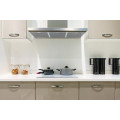
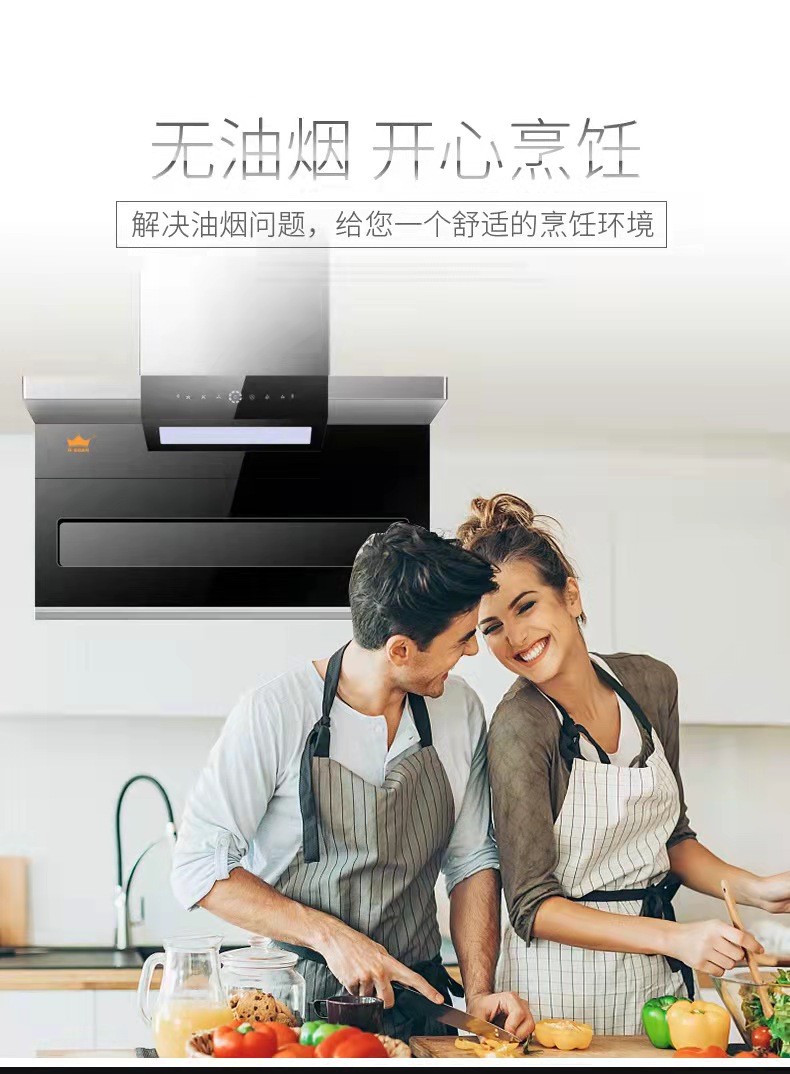
The modern kitchen is rapidly evolving from a place of mere food preparation into a high-tech, interconnected hub at the heart of the home. Homeowners increasingly expect their appliances to offer more than just basic functionality; they demand convenience, efficiency, and seamless integration into their digital lives. For Original Equipment Manufacturers (OEMs) in the cooker hood industry, this shift represents both a significant challenge and a massive opportunity. Integrating with smart home ecosystems is no longer a luxury feature but a core component of future success, transforming the humble cooker hood into an intelligent, responsive, and indispensable part of the smart home experience.

What is a Smart Home Ecosystem?
A smart home ecosystem is a network of interconnected devices and systems that communicate with each other over a home network, such as Wi-Fi or Bluetooth. This allows for centralized control, automation, and monitoring, typically through a smartphone app or a voice assistant like Amazon Alexa, Google Assistant, or Apple HomeKit. The goal is to create a unified and intuitive living environment where different devices—from lighting and thermostats to security cameras and kitchen appliances—work together in harmony.
Why Integration is No Longer Optional for Cooker Hood OEMs
In the past, a cooker hood's primary function was simple: ventilation. However, in a connected world, consumer expectations have skyrocketed. A standalone appliance, no matter how well-designed, can feel dated in a home where lights, speakers, and even refrigerators are part of a larger, intelligent network. For cooker hood OEMs, embracing integration means staying relevant and competitive. It's about evolving the product from a utility to an experience, offering users a new level of control, automation, and functionality that aligns with their modern lifestyle.
The Core Benefits of Smart Cooker Hood Integration
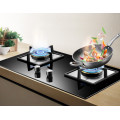
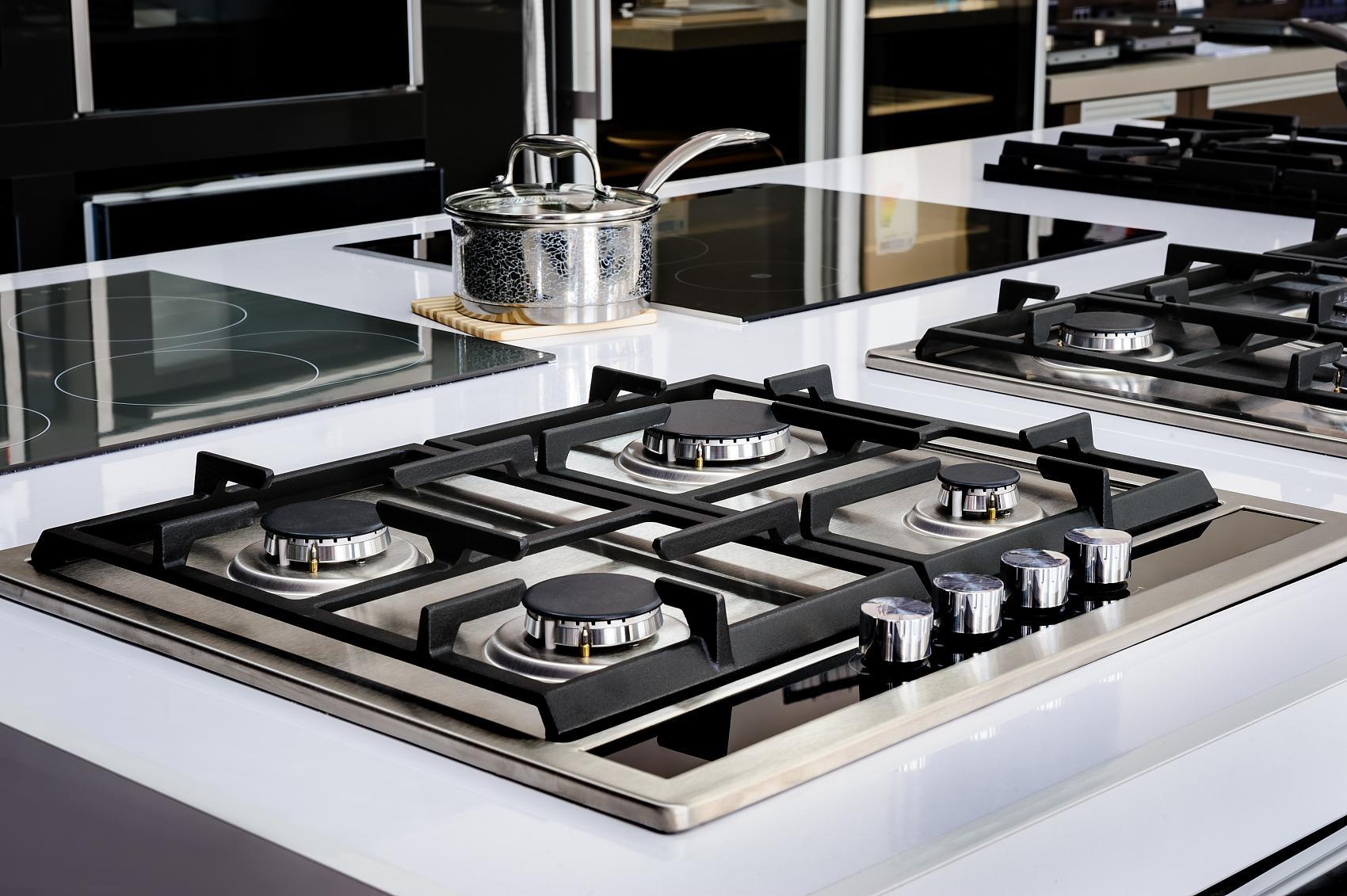
Integrating cooker hoods into smart ecosystems provides tangible benefits for the end-user. The primary advantage is unparalleled convenience. Imagine a scenario where your smart cooktop communicates directly with the cooker hood. When you start cooking, the hood automatically turns on to the appropriate fan speed and adjusts its intensity based on the heat and smoke detected. Voice commands add another layer of ease; a simple "Hey Google, set the range hood to level three" allows for hands-free operation while your hands are busy with meal prep. This seamless interaction simplifies daily tasks and creates a more fluid and enjoyable cooking experience.
Enhancing Home Safety and Air Quality
Smart cooker hoods can play a vital role in maintaining a safe and healthy home environment. Integrated sensors can detect not just smoke and steam, but also other airborne particles like volatile organic compounds (VOCs) or carbon monoxide (CO). When unsafe levels are detected, the hood can automatically activate and send an alert to the homeowner's smartphone, whether they are home or away. This proactive safety feature provides significant peace of mind and transforms the cooker hood into an essential component of the home's overall safety system.
Driving Energy Efficiency and Sustainability
Sustainability is a growing concern for consumers. Smart integration allows cooker hoods to operate more efficiently, reducing energy consumption. For example, a smart hood can be programmed to run only when necessary and at the optimal power level, avoiding wasted energy from being left on accidentally or running at a higher speed than required. By syncing with other devices, like a smart thermostat, the system can work to maintain overall home air quality in the most energy-efficient manner possible, contributing to lower utility bills and a smaller carbon footprint.

Predictive Maintenance and Enhanced Customer Support
For an OEM, the relationship with the customer no longer ends at the point of sale. Smart technology enables ongoing engagement through predictive maintenance. Internal sensors can monitor the hood's performance, track filter lifespan, and detect potential malfunctions before they become serious problems. The system can then automatically notify the user that it's time to clean a filter or schedule a service appointment. This not only improves the longevity and performance of the appliance but also provides OEMs with valuable data and a direct channel to offer support and sell replacement parts.
The Technology Behind the Integration: Wi-Fi, Bluetooth, Matter, and APIs
Seamless integration relies on a combination of connectivity technologies and communication protocols. Wi-Fi and Bluetooth are the foundational wireless standards that allow the cooker hood to connect to the home network and nearby devices. However, the key to true interoperability lies in universal standards like Matter. Backed by major tech companies like Google, Amazon, and Apple, Matter aims to create a unified protocol that allows devices from different manufacturers to work together seamlessly. For OEMs, building Matter-compliant devices is crucial for future-proofing their products and ensuring the widest possible compatibility.
| Technology | Role in Smart Cooker Hoods |
|---|---|
| Wi-Fi | Connects the hood directly to the home's internet router for cloud access and app control. |
| Bluetooth | Enables direct device-to-device communication, useful for initial setup and local control. |
| Matter | A universal standard that ensures interoperability across different smart home ecosystems (Google, Apple, Amazon). |
| APIs | Allows for deeper, custom integrations and enables third-party developers to create new functionalities. |
Designing for the User Experience (UX)
A successful smart product is not just about the technology; it's about how the user interacts with it. A well-designed companion app is essential. The app should be intuitive, easy to navigate, and provide meaningful controls and information. This includes remote operation, scheduling, filter status, air quality reports, and easy access to customer support. The physical design of the cooker hood must also be considered, potentially incorporating subtle LED indicators or touch controls that complement the smart features without being obtrusive.
Overcoming the Challenges of Integration
While the benefits are clear, the path to integration has its challenges. Data privacy and security are paramount. OEMs must ensure that their connected devices are secure from hacking and that user data is handled responsibly and transparently. Another challenge is the initial investment in R&D and the complexity of ensuring compatibility across a fragmented landscape of smart home platforms. This is why adopting a universal standard like Matter is so strategically important—it simplifies development and broadens market access.
The Future is Automated and Personalized
The journey of smart integration is just beginning. The future will see cooker hoods become even more intelligent through the power of Artificial Intelligence (AI) and machine learning. A future smart hood might learn a household's cooking habits, automatically activating in anticipation of a regular mealtime or suggesting recipes based on air quality data. It could sync with a smart lighting system to create the perfect ambiance for cooking or dining. For cooker hood OEMs, the future is not just about manufacturing a physical product, but about creating an evolving, personalized kitchen experience that adds real value to the user's daily life.